
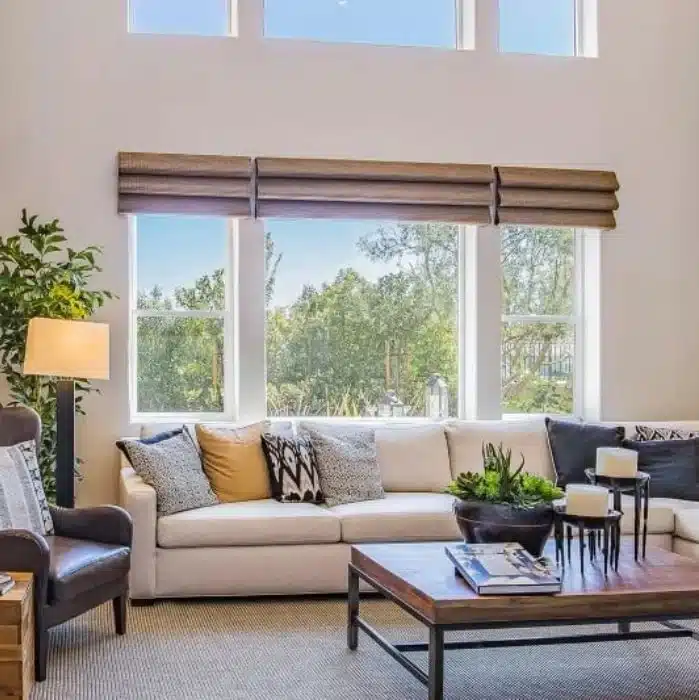
November Morning in Drake: When Cold Air Pours Through Your Windows
You wake up in your Drake neighborhood home on a late November morning. The furnace has been running all night, yet you feel a distinct chill near the living room windows. You place your hand against the glass—it’s ice cold. That cold radiating from your windows isn’t just uncomfortable; it’s costing you money every single day from November through March.
Here’s what Des Moines homeowners need to know about window treatment energy rebates: MidAmerican Energy offers rebate programs for qualifying energy-efficient home improvements, and certain window treatments can contribute to significant heating cost reductions. Energy-efficient shades and cellular blinds can reduce heat loss through windows by meaningful amounts, making them worth investigating as part of your overall home efficiency strategy. Made in the Shade Des Moines & Ames helps local homeowners identify which products may qualify for utility incentives while delivering real comfort improvements.
If you’ve searched for window treatment energy rebates Des Moines or wondered about MidAmerican Energy rebates for blinds, you’re not alone. Q4 searches spike as homeowners race to maximize savings before year-end deadlines. This guide walks you through the current landscape for Iowa energy efficient shades and utility savings on window coverings.
Why Your Windows Are Costing You More Than You Think
The Iowa Heating Season Reality
Iowa winters don’t play games. From November through March, Des Moines experiences sustained cold that keeps furnaces working overtime. Single-pane windows and even some double-pane units allow substantial heat transfer, forcing your HVAC system to compensate constantly.
Consider these factors affecting homes near the Iowa State Capitol downtown or the historic residences around Terrace Hill:
- Radiant heat loss: Warm air inside your home transfers through glass to the cold exterior
- Air infiltration: Gaps around window frames allow cold drafts to enter
- Condensation issues: Temperature differentials create moisture problems that can damage frames and sills
The result? Your MidAmerican Energy bill climbs steadily from Thanksgiving through early spring. Window treatments provide a practical, cost-effective layer of insulation that addresses these issues directly.
How Energy-Efficient Window Treatments Reduce Heat Loss
Not all window coverings perform equally. Here’s how the most effective options work:
| Window Treatment Type | Insulation Mechanism | Best Application |
|---|---|---|
| Cellular (Honeycomb) Shades | Trapped air pockets create thermal barrier | Bedrooms, living areas with large windows |
| Insulated Roman Shades | Multiple fabric layers plus lining | Traditional homes, Ingersoll Park bungalows |
| Dual-Cell Shades | Double honeycomb structure for enhanced R-value | North-facing windows, sunrooms |
| Layered Treatments | Blinds plus drapes create air gap | Large picture windows, historic homes |
Cellular shades, in particular, have earned recognition from the U.S. Department of Energy as effective tools for reducing heat transfer through windows. The honeycomb structure traps air—the same principle that makes double-pane windows more efficient than single-pane.
Navigating MidAmerican Energy Rebates for Window Treatments
Understanding Utility Efficiency Programs
MidAmerican Energy serves the Des Moines and Ames metro areas with various residential efficiency programs. These programs change periodically, so verifying current offerings directly with MidAmerican is essential before making purchasing decisions.
Utility rebate programs typically focus on improvements with measurable energy savings. Window treatments fall into a category that may be covered under broader home efficiency initiatives, though specific rebates vary by program year and budget availability.
Pro Tip: Before purchasing any window treatments with rebate expectations, contact MidAmerican Energy directly to confirm current program details, qualifying products, and application deadlines. Program terms can change, and rebate budgets may be limited.
What Typically Qualifies for Efficiency Incentives
When utility companies do offer rebates on window treatments, they generally look for:
- Products with documented insulation ratings or R-values
- Professional installation that ensures proper fit and seal
- Treatments that cover the full window opening without gaps
- Products from manufacturers who provide energy performance specifications
Generic aluminum blinds or decorative sheers rarely qualify because they don’t meaningfully reduce heat transfer. Cellular shades, insulated drapes, and other thermally-rated products are more likely candidates.
Maximizing Your Potential Savings
Even without confirmed rebates, energy-efficient window treatments deliver measurable value through reduced heating costs. Here’s how to approach your purchase strategically:
- Audit your problem windows first: North-facing windows and those showing condensation or drafts deserve priority
- Get professional measurement: Ill-fitting treatments leave gaps that defeat the purpose
- Choose appropriate products: Balance insulation performance with your aesthetic preferences
- Document everything: Keep receipts and product specifications in case rebate opportunities arise
- Consider timing: Year-end purchases may align with rebate program cycles
Selecting the Right Energy-Efficient Window Treatments for Your Des Moines Home
Matching Products to Iowa Climate Demands
Your home’s architecture influences which treatments work best. The various residential styles across Des Moines and Ames—from early 20th century Drake neighborhood homes to newer Ingersoll Park construction—each present different window configurations.
For older homes with single-pane or original windows: Cellular shades with side tracks provide the tightest seal and maximum heat retention. Consider dual-cell options for north-facing rooms that receive no direct sunlight for passive heating.
For newer homes with double-pane windows: Standard cellular shades or insulated romans add another layer of efficiency without the urgency of addressing major heat loss. Focus on rooms where you notice temperature inconsistencies.
For homes near busy corridors or the Iowa State Capitol area: Consider products that also address noise reduction—many insulated options provide acoustic benefits alongside thermal performance.
The Professional Measurement Difference
Off-the-shelf window treatments from big-box stores often leave gaps at the edges. These gaps create convection currents that actually pull heat away from your interior faster than an uncovered window in some cases.
Made in the Shade Des Moines & Ames provides professional in-home measurement to ensure your treatments fit precisely within or over your window frames. This precision matters enormously for energy performance. A shade that’s even a half-inch too narrow creates a gap that undermines its insulating value.
Taking Action Before Winter Hits Full Force
Your Next Steps
With November temperatures dropping across the Des Moines metro, the window for addressing your window efficiency is narrowing. Here’s a practical approach:
This week: Walk through your home and identify which windows feel coldest or show condensation. Note any drafts you feel near window frames.
Next: Contact MidAmerican Energy to inquire about current rebate programs for energy efficiency improvements including window treatments. Get specifics on qualifying products and application processes.
Then: Schedule a free consultation with Made in the Shade Des Moines & Ames to explore which products fit your budget, aesthetic preferences, and efficiency goals. Call (515) 205-8066 to arrange your in-home appointment.
Whether you live in Drake, Ingersoll Park, or anywhere across the Des Moines and Ames service area, your windows don’t have to be energy liabilities. The right treatments—properly selected, measured, and installed—pay for themselves through utility savings while keeping your home comfortable through Iowa’s demanding heating season.
Ready to explore your options? Contact Made in the Shade Des Moines & Ames today at (515) 205-8066 for a free in-home consultation. We’ll help you identify which window treatments make the most sense for your home and discuss any available rebate opportunities for 2026.
Frequently Asked Questions
Does MidAmerican Energy currently offer rebates specifically for window treatments?
MidAmerican Energy’s rebate programs evolve over time, and specific offerings for window treatments vary by program year. The best approach is to contact MidAmerican directly to confirm current incentives before making purchasing decisions. Their customer service can provide up-to-date information on qualifying products and available rebate amounts.
Which type of window shade provides the best insulation for Iowa winters?
Cellular (honeycomb) shades generally provide the strongest insulation performance among window treatment options. Dual-cell designs with side tracks offer enhanced thermal barriers by trapping air in multiple chambers and minimizing edge gaps. For the coldest rooms in your home, these products deliver the most noticeable comfort improvement.
How do I know if my current window treatments are costing me money?
Simple tests reveal whether your windows are energy liabilities: hold your hand near the glass on a cold day to feel radiant heat loss, check for condensation between panes or on interior glass, and feel along frame edges for drafts. If your curtains move slightly on windy days even with windows closed, air infiltration is occurring. Rooms that require constant heating adjustments often have underperforming window treatments.

